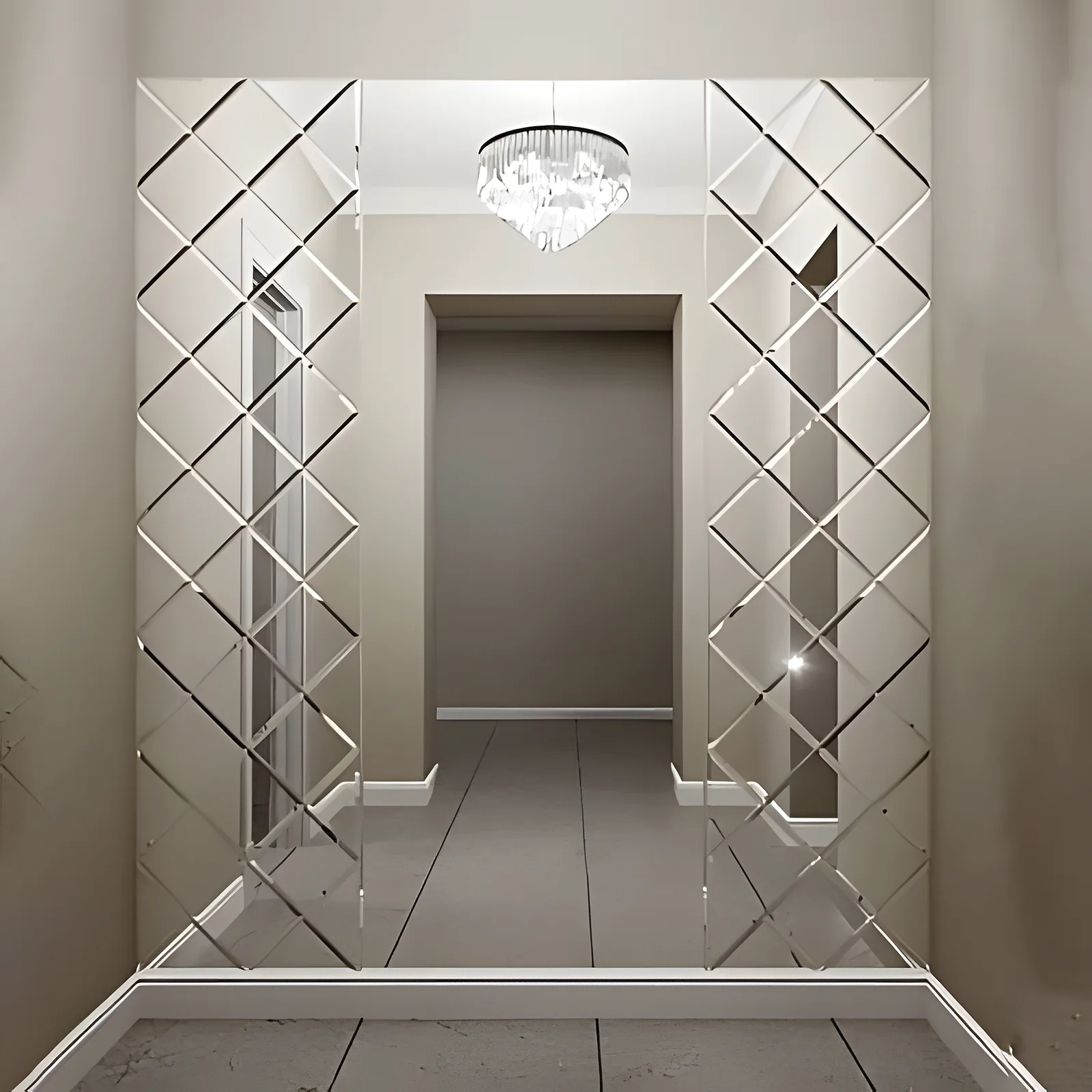
Bespoke Mirror Walls and Decorative Mirror Tiles
Mirrorworld designs, supplies and fits made-to-measure mirror walls and decorative mirror tiles for homes, hotels, bars, restaurants, salons, retail spaces and commercial interiors. From feature mirror walls to panelled mirror designs, antique mirror finishes and bevelled mirror tiles, we can help create a bespoke mirror finish to suit the room, style and practical requirements of the project.
Use this template guide to explore the main options for decorative mirror wall panels, including wall size, panel joins, tinted and antique mirror finishes, safety backing where appropriate, and the practical details of survey, supply and fitting. For a quotation or design discussion, contact Mirrorworld about your mirror wall project or start with our made-to-measure mirror pricing tool.
Decorative Mirror Wall Projects This Guide Is For
This guide is for homeowners, interior designers, architects and commercial clients planning a decorative mirror wall or mirror tile feature. It is especially useful for living rooms, dining rooms, hallways, reception areas, hotels, bars, restaurants, salons and retail interiors where the mirror wall needs to look considered rather than simply functional.
Mirrorworld can advise on measuring, panel layout, bevelled edges, antique mirror, bronze or grey tinted mirror, safety backing where appropriate and professional mirror fitting service requirements. For trade or commercial projects, see our trade and commercial mirrors information.
Decorative Mirror Wall Topics Covered
- Decorative mirror walls for homes, hospitality spaces, reception areas and commercial interiors.
- Mirror tile options, including bevelled mirror tiles, framed or panelled designs, and made-to-measure mirror wall panels.
- Finish choices such as antique mirror, bronze tinted mirror, grey tinted mirror and clear silvered mirror.
- Survey, measuring and layout details, including wall size, wall shape, panel joins and suitable wall surfaces.
- Professional decorative mirror wall installation, aftercare and practical cost considerations.
- A small related note on fitness spaces: for gym and studio mirror walls, see our gym mirrors page.
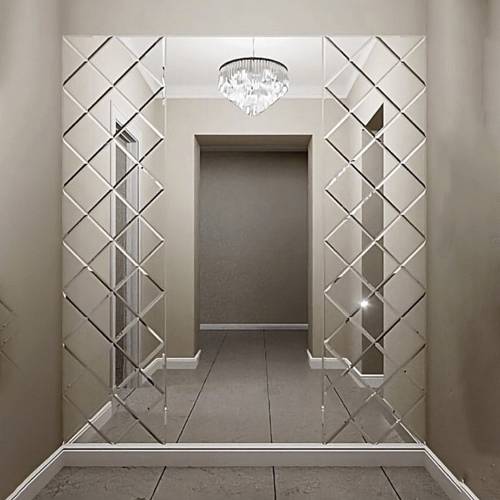
A decorative mirror wall can completely change the feel of a room. In homes, mirror panels can add light and depth to dining rooms, lounges, hallways and bedrooms. In commercial interiors, they can help a hotel, restaurant, bar, salon or reception area feel more spacious, polished and deliberately designed.
Feature mirror walls with a purpose
The best mirror walls are planned around the room rather than treated as an afterthought. Wall size, furniture position, lighting, sockets, skirting, ceiling lines and panel joins all affect the finished result. A full-height mirror wall may suit a reception or bar, while smaller mirror tile sections can work better as a feature panel in a home or retail interior.
Made-to-measure mirror wall panels
Mirrorworld can supply made-to-measure mirror wall panels cut to suit the dimensions of the wall. Where one large piece is impractical, multiple panels or tiles can be used to create a balanced layout. Panel joins can be kept simple and architectural, or made into a design feature with bevelled edges, framed sections or repeating tile patterns.
For homes, hospitality and retail spaces
Decorative mirror walls work particularly well in interiors where light, atmosphere and finish matter. They are often used behind bars, in restaurant dining rooms, hotel corridors, salon styling areas, retail display zones and domestic feature walls. If you are planning a commercial project, our trade and commercial mirrors service can help with practical supply and fitting details.
To discuss a decorative mirror wall or mirror tile project, contact Mirrorworld with the wall size, location, preferred finish and any photos or drawings you already have. This helps us advise on what is practical before a survey or final quotation.
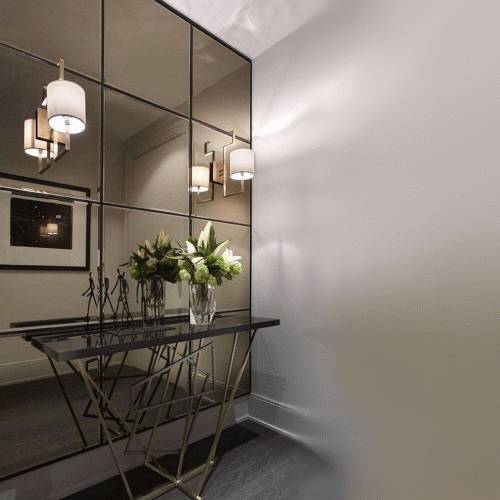
The right format depends on the look you want and the wall you are working with. Some projects suit large made-to-measure mirror wall panels, while others look better as repeated mirror tiles with visible joins, bevels or framed sections.
Framed, frameless and panelled mirror walls
Frameless panels create a clean, modern mirror wall. Framed or panelled mirror wall designs can feel more architectural and are useful when you want the joins to become part of the design. For early budgeting, the framed mirror pricing tool can help when a framed finish is being considered.
Mirror tiles for feature walls
Mirror tiles are often chosen for feature walls because they make the panel pattern part of the final look. Square, rectangular, diamond and geometric layouts can all be considered. Bevelled mirror tiles add definition to each panel, while flat polished edges give a simpler, more contemporary result.
Antique mirror, bronze tint, grey tint and clear mirror
Clear silvered mirror is bright and crisp, but it is not the only option. Antique mirror can soften a wall and suit bars, restaurants, hotels and period interiors. Bronze or grey tinted mirror panels can add warmth or depth, especially where a full clear mirror wall would feel too stark.
Safety backing and practical glass choices
Where appropriate, mirror panels can be specified with safety backing. This is often considered for larger panels, commercial interiors and areas where extra protection is sensible. Mirrorworld can also advise whether standard plain mirror glass, tinted mirror, antique mirror or another finish is the most suitable choice for the room.
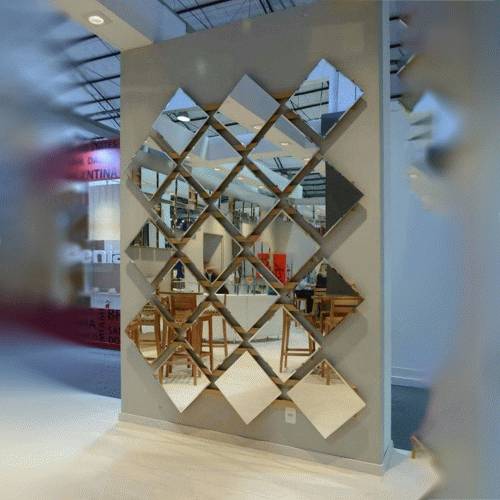
Decorative mirror walls are not limited to plain mirror glass. The finish, tile size, edge detail and layout can all change the character of the room. A clear mirror wall can feel bright and minimal, while an antique mirror wall can create a softer, more atmospheric finish for hospitality or residential interiors.
Choosing a finish for the room
Antique mirror is often used where a fully reflective surface would be too strong. Bronze tinted mirror can add warmth to bars, restaurants and dressing areas, while grey tinted mirror works well in contemporary interiors. Clear mirror remains a strong choice where maximum light and reflection are wanted.
Panel joins, bevels and layout
Panel joins should be planned carefully. A single large panel may look simple, but it may not be practical for access, handling or installation. A repeated tile pattern can make joins feel intentional, especially with bevelled mirror tiles or framed mirror wall sections.
Feature walls and commercial design
Hotels, bars, restaurants, salons and retail spaces often need mirror walls that work with lighting, seating, counters and customer flow. Mirrorworld can help consider the decorative effect alongside the practical details, including survey, production, delivery and fitting.
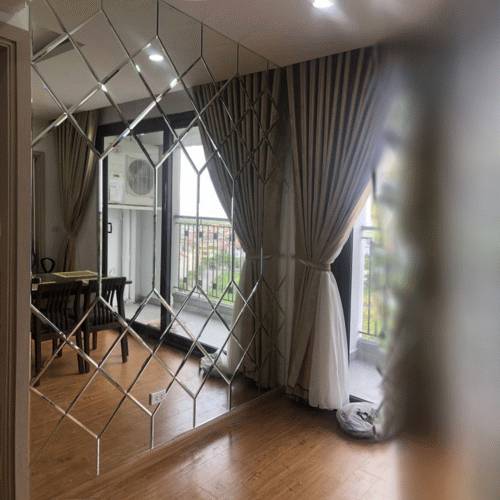
A decorative mirror wall needs accurate measuring and a suitable wall surface. Before production, the wall size, shape, access, socket positions, skirting, corners and any out-of-square areas should be checked. This is especially important for made-to-measure mirror wall panels and projects with several visible joins.
Why professional measuring matters
- Accuracy: a survey helps confirm panel sizes, joint positions and whether the wall is suitable for mirror installation.
- Safety: larger mirror panels require careful handling, suitable adhesive or fixing methods, and the right installation equipment.
- Finish: professional fitting helps keep lines level, joins consistent and edges properly considered.
Supply only or supply and fit
Some simple mirror tile projects may be suitable for supply only, but larger decorative mirror walls usually benefit from professional fitting. Mirrorworld can discuss whether your project needs a survey, whether safety backing is appropriate, and how the mirror panels should be delivered and installed.
Requesting a quote
For an initial quote, send the approximate wall dimensions, the room type, the finish you prefer and any photos or drawings. You can also review the made-to-measure mirror pricing tool or ask about our mirror fitting service for decorative mirror wall projects.
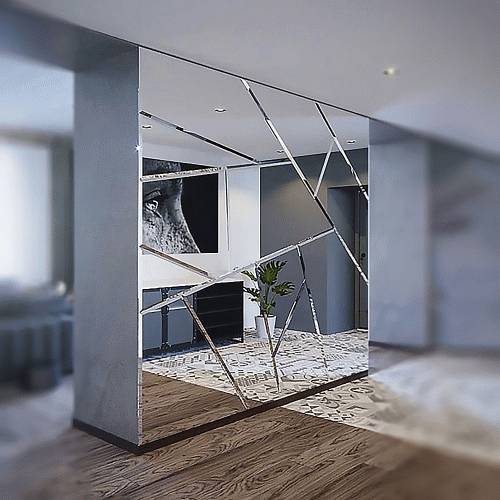
Mirror walls and mirror tiles are easy to look after when they are cleaned carefully. The main aim is to protect the mirror surface, the edges and the backing, particularly where panels are close to moisture or frequent touching.
Cleaning and maintaining mirror walls and mirror tiles
You will need a few essential tools to clean mirror walls and mirror tiles, including a soft, lint-free cloth, mild dish soap, and warm water. Follow these steps to keep your mirrors looking their best:
1. Dust the mirrors: Before cleaning, remove any dust or debris from the mirrors using a soft, dry cloth. Mix the cleaning solution: Mix mild dish soap and warm water in a spray bottle.
2. Apply the solution: Spray the cleaning solution onto the mirrors, covering the entire surface. DO NOT use excess solution; moisten but don't allow to drip.
Wipe the mirrors: Use a soft, lint-free cloth to wipe the mirrors; (microfibre cloths are perfect), using a circular motion. NEVER use paper towels or abrasive sponges, as they contain wood fibres that will scratch the surface of the mirrors.
Dry the mirrors: Use a clean, dry cloth to dry the mirrors, ensuring there are no streaks or water spots (microfibre cloths are perfect) for this purpose.
Additional Maintenance and Care Tips
In addition to regular cleaning, there are a few additional tips to keep in mind when it comes to maintaining and caring for mirror walls and mirror tiles:
1. Avoid harsh chemicals: Avoid using harsh chemicals, such as ammonia or bleach, as they can damage the surface of the mirrors.
2. Keep mirrors away from moisture: Moisture can damage the backing of mirror mirror tiles, so it's essential to keep them away from areas with excess humidity.
3. Check for damage: Regularly inspect the mirrors for damage, such as cracks or chips. If you notice any damage, it's important to address it immediately to prevent further damage or injury.
With regular light cleaning and sensible care around the edges, decorative mirror walls and mirror tiles can stay bright and attractive for many years. If a panel is damaged, avoid trying to remove large pieces yourself and ask for professional advice.
Mirror Wall and Mirror Tile FAQs
Are mirror walls and mirror tiles easy to install?
Mirror walls and mirror tiles can be challenging to install because they rely on accurate measuring, suitable wall preparation and careful glass handling. Small, simple tile sections may be manageable for experienced installers, but larger decorative mirror walls are normally best surveyed and fitted professionally.
What types of mirror walls and mirror tiles are available?
Mirror wall options include large made-to-measure panels, repeated mirror tiles, framed or panelled layouts, bevelled tiles and decorative finishes. Antique mirror, bronze tinted mirror, grey tinted mirror and clear mirror can all be considered depending on the room and the effect required.
How do I choose the right size for my mirror wall or tile project?
Choose the size around the wall, access, room use and desired layout. Smaller spaces may suit a measured tile pattern or feature panel, while larger homes, bars, restaurants and reception areas can often carry a more substantial mirror wall. Weight, substrate, panel joins and installation access should all be considered before production.
What types of finishes are available for mirror walls and mirror tiles?
Common finishes include clear silvered mirror, antique mirror, bronze tinted mirror, grey tinted mirror, bevelled mirror tiles and framed or panelled mirror designs. The right finish depends on the room style, lighting, surrounding materials and how much reflection you want from the wall.
Can mirror walls and mirror tiles be cut to fit a specific space?
Yes, mirror walls and mirror tiles can be cut to fit a specific space. It is recommended to have a professional handle the cutting, as it can be a difficult and potentially dangerous process. It's important to provide exact measurements to ensure that the mirrors are cut to the correct size and shape for the space.
Can I use mirror walls and mirror tiles in the bathroom?
Yes, mirror walls and mirror tiles can be used in the bathroom. However, it's important to choose mirrors that have edge sealant applied, as excess moisture can cause damage to the mirrors. Therefore it is not generally advised to install these type of mirrors over a bath, were even sealed edge mirrors will blacken quickly with the steam. It's also important to ensure that the mirrors are installed in a safe manner, taking into account the weight and placement of the mirrors in the space.
What is the average cost of a mirror wall or tile installation?
The cost depends on wall size, finish, panel layout, glass type, access, survey requirements and whether professional fitting is needed. A simple mirror tile feature is usually less complex than a large made-to-measure mirror wall with several panels, bevelled edges or antique mirror finishes.
How do I hang mirror walls and mirror tiles on different surfaces?
The fitting method depends on the wall surface, panel size, weight and finish. Mirror panels are commonly fixed with suitable mirror adhesive or specialist fixing methods, but the wall must be sound, flat and appropriate for the chosen glass. Larger projects should be assessed before fitting.
Can I install mirror walls and mirror tiles on my own?
Some small mirror tile projects may be suitable for experienced DIY fitting, but large mirror walls are heavy, fragile and unforgiving if the measurements or wall preparation are wrong. For larger or more complex projects, professional survey and fitting is usually the safer route.
Are mirror walls and mirror tiles energy-efficient?
Mirror walls and mirror tiles can be energy-efficient in some cases, as they can reflect natural light to help brighten a space and reduce the need for artificial lighting. This can help to reduce energy consumption and lower energy bills. However, it's important to note that not all mirrors are created equal, and some may be less energy-efficient than others. It's also important to consider the overall design of the space to ensure that the mirrors are being used in the most efficient and effective way possible.
How do I clean and maintain mirror walls and mirror tiles?
To clean and maintain mirror walls and mirror tiles, start by using a soft, lint-free cloth and a mild glass cleaner to remove any dirt or smudges. Be sure to avoid using harsh chemicals or abrasive materials that could scratch or damage the mirrors. It's also important to clean the mirrors regularly to prevent the buildup of dirt or grime, which can be more difficult to remove over time.
Can I paint mirror walls and mirror tiles to match my decor?
Painting the reflective face of mirror walls or mirror tiles is not usually recommended. If the aim is to match a colour scheme, it is usually better to choose a suitable frame, panel layout, tinted mirror, antique mirror or surrounding wall finish rather than painting the mirror surface itself.
How do I safely remove mirror walls and mirror tiles from a wall or surface?
Removing mirror walls and mirror tiles can be hazardous because the glass may crack or release suddenly. Use protective gloves and eye protection, avoid forcing the glass, and ask for professional help where large panels or strong adhesives are involved. Dispose of old mirror glass safely and in line with local requirements.
Can I use mirror walls and mirror tiles as a backsplash in my kitchen or bathroom?
Mirror tiles can sometimes be used as a decorative splashback, but heat and moisture need careful thought. Mirror glass should not be exposed to sudden temperature changes or constant moisture at the edges. Avoid placing mirror directly behind a hob unless the glass type, distance from heat and installation method have been properly assessed.
What tools are required to install mirror walls and mirror tiles?
Tools vary by project, but typical requirements include accurate measuring equipment, levels, safe glass handling equipment, suitable adhesive or fixings, and protective gear. Larger mirror wall panels may also need suction lifters and more than one installer. Ask for professional advice if you are unsure about the wall surface or panel weight.
Can I cut mirror walls and mirror tiles to fit a specific size or shape?
Mirror walls and mirror tiles can be made to specific sizes and shapes, but cutting mirror glass should be planned before installation wherever possible. Accurate production cutting gives a cleaner result and reduces risk on site. Acrylic mirror can be easier to cut, but it has different properties and is not the same finish as glass mirror.
How do I choose the right mirror finish for my space?
Choose the finish by looking at the room style, lighting, wall size and surrounding materials. Antique mirror can soften the reflection, bronze or grey tinted mirror can add depth, and bevelled mirror tiles can make the panel layout more decorative. Clear mirror is best where maximum brightness and reflection are wanted.
How do I safely dispose of old mirror walls and mirror tiles?
Handle old mirror glass carefully and avoid breaking it where possible. Wrap or box smaller pieces securely, label sharp glass clearly, and check local waste guidance before transport. Large panels should be handled by people with suitable glass handling equipment.
How can I incorporate mirror walls and mirror tiles into a small space?
Incorporating mirror walls and mirror tiles into a small space can be a great way to create the illusion of more space and to reflect light around the room. You can use mirrors strategically to create focal points and to enhance existing decor. For example, you might consider using a large mirror wall to reflect a beautiful view or a piece of artwork, or using smaller mirror tiles to create a mosaic or other decorative pattern on the wall. It's important to consider the overall style and color scheme of the space when incorporating mirrors to ensure that they complement and enhance the existing design.
Can I use mirror walls and mirror tiles in a commercial space, such as a restaurant or retail store?
Yes. Mirror walls and mirror tiles are often used in restaurants, bars, hotels, salons, retail interiors and reception areas. The design should be planned around customer flow, lighting, safety, cleaning and the overall interior scheme. For commercial projects, Mirrorworld can advise on practical supply and fitting details.
Can I install mirror walls and mirror tiles in a bathroom or shower area?
Mirror walls and mirror tiles can be used in some bathroom areas, but constant moisture is a risk for mirror edges and backing. We would not usually recommend decorative mirror tiles inside a shower area. If mirror panels are used in a damp space, edge sealing, ventilation and the full installation detail need careful consideration.
Mirror wall gallery
Mirror Wall Gallery
Tap any thumbnail to preview a larger image of decorative mirror walls, mirror tiles and bespoke panel layouts.